Showing posts with label listening. Show all posts

Thursday, December 7, 2023

πŸŽ„ December 2023: Time Management, Teams, Toolkits and More


I am hearing from many clients that they are scrambling as they juggle quarter-end, year-end, project-end deadlines, also hoping they can somehow get it all done so they can have a true break during the holidays. May some of these resources help you reach the finish line!

πŸŽ„ * ❄️ * πŸ•Ž * πŸŽ…πŸ½ * ☮️ * 🎁 * 🦌

πŸ•°️ Time management: A guide to more sanity and less anxiety. This is an interview of my FAVORITE resource regarding time management, Oliver Burkeman. When I posted this on LinkedIn, a client commented, "I started listening to this podcast expecting time management techniques and realized it’s all about mindset. 🀯 i need to listen to this one again." I've recommended Burkeman's book here more than once. Give yourself this book for the holidays.

⛑️ A Refresher on Psychological SafetyAt minimum, include this video in your management training; additionally, maybe even watch it with your team and discuss it? It's only 7.5 minutes long but also packed with useful insights.

🌍 πŸ—£️ Getting Feedback Right on Diverse Teams. An excellent half-hour interview with Erin Meyer, the author of the Culture Map, my go-to resource for optimizing global, intercultural communication. A longer, more in-depth article was provided in the Sept-Oct 2023 issue of Harvard Business Review.

🧠 Mental Health Toolkit: Tools to Bolster Your Mood & Mental HealthI go in and out of listening to this podcast, but landed on this episode, and found it to be a great collection of things I wanted to be reminded of as I take some time to think about how this year has gone and how I want to step into 2024, especially in terms of mental health, well-being, and stress management. It is two hours long but I do recommend you take the time to listen to it.

πŸͺ« Energy Audit (Introvert vs Extrovert). Here's a simple (and science-based) worksheet on recognizing draining situations in your daily life and developing strategies to avoid consecutive energy-sapping scenarios that can lead to #overwhelm and #burnout. 

🎸 What we learned from our parents' record collections. The title alone got my memories flowing... Simon & Garfunkel, Carole King, Barbra Streisand, the Beatles, the Band were all on repeat (on vinyl, of course) in my elementary school years. This podcast also recounts some delightful stories as well. Enjoy.

🀣 Team-Building Question for the Month. Throw this on to your Teams, Slack, Google Hangout, iMessage thread and have a good laugh.

"What was the best holiday gift you ever received?"

Mine was an Easy-Bake oven when I was 7 years old...🧁 πŸ₯° 

May your December bring some peace, joy, rest, and good memories. Thanks for reading -- feel free to share this with friends and co-workers. Cheers!

Thursday, April 6, 2023

April 2023: "Just Keep Swimming..."


I was late posting for March, so I'm trying to recover by posting near the start of April. I suppose I could just list a few of the gajillion articles out there on AI and ChatGPT, but I will spare you. I certainly have plenty to share on other topics. As I compiled this month's list of recommendations, I realized that they all revolved around the need to press in and persist in the face of fatigue, discouragement, challenges and so on. So I titled this post based on Dory's little phrase that often runs through my head. Here goes!

+ + + + + + + + + + + +

😡‍πŸ’« Meeting Culture Run Amok with Christina Janzer. I have appreciated several episodes in this podcast series because they all address the new post-pandemic dynamics in the workplace. The host sums up this episode: “The idea that every problem, every issue, every roadblock in your organization can and should be solved by a meeting, that’s meeting culture. And it’s a real problem for most organizations I know.” This link includes the transcript, and I recommend printing it out and using it for a team discussion to evaluate your online meeting practices.

πŸ”Œ A Human Energy CrisisThis is intriguing. I haven't done academic research on this, but anecdotally I can verify that I have multiple conversations each week with #coaching clients about #motivation, #resilience, #burnout, #anxiety, and all other sorts of personal or professional challenges. How are you doing?

πŸ“œ How adding ‘microcrocredentials’ to your rΓ©sumΓ© can help clinch that new jobThis has been my experience -- I have taken a few short but useful online certificate courses and it has sparked interest, expanded my knowledge base, and brought value to my clients.

😱 How High Achievers Overcome Their AnxietyI have had SO MANY #coachingconversations with clients on the topic of #anxiety and how to manage it. Take time to read over the 11 most common "thought traps" - this article puts words to what many people experience.

πŸ˜‡ Why Americans Care About Work So Much. As someone who spent 30 years working in a vocational career in religious institutions and non-profits, this is an especially interesting article. As the author says, "Here is a history of work in six words: from jobs to careers to callings." Do you feel your job is your “calling”? This article is behind a paywall so I printed it out from my email - forgive the slightly wonky format.

🫣 Seeking feedbackI am meeting with several clients in preparation for #performancereviews... But to get over the once-a-year dread, here are some tips on how to seek out #feedback from your manager throughout the year. Even better, here is how leaders can get the feedback they need to grow as well.

Thursday, November 10, 2022

November 2022: Ruts, Rest, and Remote Work

I always have ambitions of posting something at the beginning of each month. Yet here it is November 10... I'm never entirely sure where the time goes, but better late than never.

I am happy to report that one of the reasons that the start of November caught me a bit by surprise was that I got to go on vacation from October 22-29 to Sun Valley, Idaho. My best friend and I, who are great travel buddies, stayed in the guest house of a friend of hers and other than the shock of a 40+ degree temperature difference, the time there was fantastic. I came back rested and refreshed, and the only regret was that I had to do a bit of scrambling upon my return as I had so much to catch up on. Thus the delay in getting this out....

The view from the back of the guest house
(and no, I did not use the tub!)

Nevertheless, here are my most-used recommendations for the month. These especially found a lot of traction with clients. Enjoy!

♥️ Hygge CardsI’ve used this with friends, but also with teams who already know each other a bit. I had one client call these “palate cleansers” during meetings, when things need to shift between topics during busy, topic-filled tactical work together. Another client used them on a staff retreat to warm up the group. I could see them also being valuable as a way to get a team (especially one working remotely) to socialize a bit more in a less-threatening way.

⛏️ How to Get Out of a RutA quick but worthwhile blog post from one of my favorite authors, #OliverBurkeman. #productivity #patience #resilience P.S. I highly recommend subscribing to his newsletter.

😴 The Nap Bishop is Spreading the Good Word: RestHere is a podcast interview with the “nap bishop” as well. Y'all, this has been on heavy rotation with several people I am working with. Sure, we have all been hearing about the need for more rest in these stressful times. But I tell you what, this has some really new, really thought-provoking insights in regard to our need for rest. If you can only pick one of this month's recommendations, pick this one.

☮️ How 30 Days of Kindness Made Me a Better Person. Full disclosure, I have not done this yet. But I find it intriguing and encouraging. And here are the 30 days of challenges.

πŸ–₯ What Great Remote Managers Do Differently. I am juggling three different management training projects right now. This is clearly a huge need in the workplace, especially as we keep wading through the waters of hybrid, remote, layoffs, retention, quiet quitting, you name it. Great quote: “So what managers do remains the same; it’s the how that changes.” This article really highlights a huge shift in management – it is much more focused on people management and not just process management.

+ + + + + + + + + + + +

“Especially after COVID-19 forced us all to slow down a bit, I found myself questioning for the first time ever why (and for whom) I and my peers are working so hard — often to the detriment of our mental and physical health — and how that can not only be normalized, but also glorified,” Devon Gates, 21, said. (from Nap Bishop article) 


Sunday, May 22, 2022

May 2022: Know Your Limits


I wish I could say that I found this photo on the internet in preparation for some lofty thoughts on self-discipline... but alas, it is a photo of my own left ankle the day after I had surgery to repair it due to an unfortunate lapse in judgment on my part. I wiped out on my motor scooter (first accident in 15 years of scooter ownership) on May 8 and broke my left ankle. Super dumb mistake... I was pulling into a parking garage and went around the gate thing because scooters park for free but I miscalculated and the gate came down and knocked me off my bike. The scooter basically landed on my foot and turned it 90 degrees. Not pretty. Surgery was on May 11 to reattach cartilage, insert plate and screws. I’ll have a second one in mid-August to remove the screws.

So I am essentially house-bound all summer... still able to work, read a bit, stream a show or three, and visit with kind friends who drop off a meal or send me funny texts. I initially decided this was going to be the Summer of No, but I have since regrouped and copying a friend who is getting treatment for cancer, I'm calling it now the Summer of Slow.

I was reading some writing this morning from a man slated for execution on death row, who wrote,

As I sit here in this execution watch cell on Texas death row, with a camera surveilling my every move, I’m thinking about acceptance, and I’m thinking about survival. Years ago, I came to understand and exercise this power: “Change what you can. Accept the rest.” Now that last part doesn’t mean that you give up. But by accepting things as they are, you in turn are able to gain a certain amount of control over said situation. You feel me?

I am currently in the thick of contemplating that. I have come to the realization that even at my age, I still need to learn a great deal about which are the things I can change and which are the limits I need to accept. I am someone who perseveres, who pushes, who fights back. For those who are familiar with the Enneagram, I'm an Enneagram 8.

All that to say, I am reflecting on what expectations look like from here, on what it means to be productive, on what is important. While I have posted more than once here on those topics before, they certainly have new meaning these days for me. What follows are a few resources that are somewhat in that vein. Thanks for reading.

6 Powerful Questions to Steer Life & Work. It is so easy to get swept up in the day-to-day demands of work, and it never hurts to STEP BACK and reflect on where you are headed. As Stephen Covey says, "If the ladder is not leaning against the right wall, every step we take just gets us to the wrong place faster.” There are certainly a ton of ways to pull back to get the big picture, from SWOT analyses to retreats to strategic planning sessions... but here's a spin on all those that might prove helpful. Check it out.

5 subtle signs you’re headed for burnout. I regret to say that this is one of the top three things I have been talking about with clients for the last several months. And it does not seem to be changing as we head into some choppy waters regarding the economy. Take a few moments to read through this one - it can't hurt.

COVID memorialA poignant reminder (covering just a sliver) of HOW MUCH we lost in these last two years. We have all been so desperate for the pandemic to end, yet I do not want to blow by the profound losses either.  (And let's be honest, I was unfamiliar with the majority of these remarkable people.) So far, the main lesson I have gleaned from my accident is that I have to keep working on tangible ways to slow down. Let us not blow by the significance of what has happened in the last 2 1/2 years... This website gives you a chance to reflect.

CliftonStrengths podcasts on Wellbeing. Anyone who has worked with me in the last 10 years or so knows that I often start the conversation with StrengthsFinder. I continue to find it a useful, objective way of engaging in work around leadership development, motivation, team-building, and self-awareness. The good people at Gallup have started a new podcast series, called oddly enough, The CliftonStrengths Podcast. This season they are discussing how to understand and leverage our strengths around issues of wellbeing. I am taking notes as they work through all 34 Strengths, and you can find the transcripts in my initial link for this recommendation.

What am I watching and listening to in my Summer of Slow? I am just getting started, but here are a few of my favorites.

  • Survivor 42 (yes, I'm a sucker for this show)
  • Love on the Spectrum (Netflix), US edition. Just started it this week. I've absolutely loved previous seasons.
  • Grace & Frankie. It has been on for seven seasons and I have not watched any, but heard a strong recommendation and I'm enjoying it so far.
  • Stanley Tucci: Searching for Italy (CNN). Season 2 is here! If I can't travel, at least I can go to Italy vicariously.
  • Building Off the Grid (Discovery, but I'm watching archived episodes on Sling). I'm not entirely sure why I like this show so much, but I do.
  • BBC Sounds. This is the BBC's own podcast platform.  DO NOT MISS "Soul Music" or "In Our Time."
I'm a genuine podcast-a-holic, so I'll leave it there because I love too many to list. I'm sure I'll share some in another post as the summer unfolds. Again, thanks for reading! Please reach out to me with questions or feedback at kelly.soifer@ksleadershipdevelop.me.


Thursday, December 30, 2021

January 2022: How Did I Get Here?

I traditionally take this week between Christmas and New Year's to get some "balcony time" to reflect on the past year and prepare for the new one. As one website states, "So many things call for our attention at work every day that we can get completely caught up in the day-to-day business of business—what’s happening on the 'dance floor.' Getting up in the balcony allows leaders to gain perspective and shape vision."

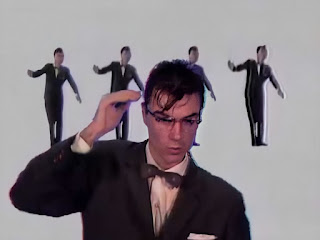
As you can imagine, this time in the balcony was especially... a lot to process. I used some directed questions (see below) to get me started, and I let myself really remember how completely bat*$(# crazy this year was. Which is saying something because 2020 was certainly no joke either! I won't cycle through the summary of this year's headlines that will loop on repeat in the next couple of days on every news outlet, but WOW. The lyrics to Once in a Lifetime by the Talking Heads keep rattling around in my head... (Especially "And you may ask yourself, 'Well... how did I get here?'")

In the midst of it all, my work with clients has plowed ahead. I am still digging in with several clients in terms of #leadershipdevelopment -- creating new manager training competencies, constructing more efficient and relevant onboarding processes, shaping better employee engagement activities, to name a few. But on top of that, I am kept very busy by providing workshops and conversations on #stressmanagement, #resilience, and overall #wellbeing. And recently I have had some truly powerful discussions around #neurodiversity. I am learning so, so much. 

To indicate the interest I am discovering around these concerns around #wellbeing: I post about once a week on LinkedIn, and I average from 15 to maybe 300 views... but two weeks ago I posted an article titled "Feeling constantly stressed? Blame your 'threat brain'" and it got 3,817 views! Alrighty then.

So here is what I am reading and using with clients. Please do let me know what connects for you.

🎼 🎧 Science-Backed Productivity Playlists to Help You Dive Deeper Into Work.  Personally, I need something in the background to help me focus when I need to put my head down and laser in on one thing. Here are some playlists that might be helpful to you if you like to do that as well? 

😡 Staying Sane at Work. This is a podcast interview with Dr. Laurie Santos, who leads the most popular course on Coursera, which I have taken and recommended here, The Science of Well-Being (I still REALLY recommend it). This interview appears on the "Ten Percent Happier" podcast, which is a tremendous resource for those looking for creative, helpful methods of #self-care.

πŸ“† End of Year 2021 Self-Reflection Questions. These are the ones referenced in the first paragraph above. Listen to the podcast given in the link, or scroll down and just use the 10 questions given. Questions 1, 2, 6 and 8 were the most productive for me. How about you?

✍🏾 Feeling Anxious? Journaling Might HelpFollowing up from my post in November on the value of journaling: Here is a quote from this month's article that sums up why I journal every day: "When people use writing to express themselves, Dr. Wright said, they 'increase emotional regulation, clarify life goals, find meaning, and give voice to feelings, which can help construct a meaningful story.' She added that looking back through old journal entries can remind the writer of the times she struggled but persevered."

✅ 22 for 22. Call them resolutions, call them goals, call them a bucket list... but I appreciate setting my sights on some things to work on and look forward to and challenge myself to try in the coming year. I did this last year via Gretchen Rubin's challenge to do the same (21 for 2021) and many were accomplished. Do this in a way that is life-giving and fun.

πŸ‘‚πŸ½ What You Discover When You Really Listen. I have learned that the activities of coaching and consulting with others (coupled with decades of pastoral care in my previous careers) requires focus (as opposed to multi-tasking), presence, curiosity, and the ability to keep going through the layers. This TedTalk by Hrishikesh Hirway captures that process -- it provides valuable insight for managers and leaders, but also for individuals as they relate to everyone important to them. Amazing.

πŸŽ™ Podcasts that I Can't Stop Listening To. Sometimes I feel like I could create a separate blog just for this topic... I am regularly awestruck and energized by the content I run into. My two latest favorites feed off of the recommendation directly above ~ perhaps you've already discovered Song Exploder on Netflix hosted by Hirway, which unpacks the process, in tremendous and fascinating detail, of how a song is written through in-depth interviews with the songwriter. But there are only a few episodes... so if you want a steady stream of new songs, I recommend the Song Exploder podcast. A similar podcast, yet totally different, comes from BBC Radio 4 that is called Soul Music. The title is a bit misleading... it does not solely cover soul music; rather, like Song Exploder, it explores stories behind all sorts of music -- but from the perspective of the listener, interviewing people who have had their lives (and souls) deeply impacted by a particular song. The episode of U2's I Still Haven't Found What I'm Looking For is outstanding. P.S. If you enjoy this exploration of the creative process, sign up for several hours of watching (which I found tedious occasionally, but overall very worthwhile) the documentary on the Beatles called Get Back.

🧊 ⛏ 25 Icebreaker Questions for Meetings and Groups ~ latest updateI try to regularly compile list of questions for teams to use to break the boring chitchat at meetings, so here's my newest list. Previous lists can be found at https://bit.ly/KSLD25Qs and https://bit.ly/KSLDTeamBuild.

There are even more things to recommend, but that's enough for now. I hope I get to connect with you in the new year. Please feel free to reach out with questions and feedback at kelly.soifer@ksleadershipdevelop.me. Thanks for reading.


Monday, January 4, 2021

January 2021: Reflection, Resources and Remote Work


Where do I begin?
In some ways I have some genuine energy around the beginning of this new year. I found the Thursday through Sunday breaks of Christmas and New Year's almost magical this time around... truly restful. I set aside time for reflection and really processed this past nightmare, er um, 2020 year. I even did some goal-setting, although I'm trying to be realistic about how much one can predict as to what lies ahead.

So this month's set of recommendations and resources are pretty hefty. I have used all of them personally or with clients. You may want to bookmark this post ~ it's a bounty of interesting stuff. Happy 2021, friends. Let's be in it together. In a socially distant way, anyway...


Reflection. Like I said, I had some extra EXTRA time for reflection during this break thanks to no travel and a very quiet household. In other words, do not be daunted by this list. Just pick one or two of them. I definitely recommend looking backward before moving forward.

  • 2020 Reflection Questions. I took some time to sit on these and review this year. Might be fun to share this with those close to you and see what they come up with. If you want to jumpstart some new journaling habits, you can also go here: https://bit.lyKSLDJournalPrompts  
  • Adobe My Creative Types. Sure sure, we all like online quizzes, right? But this has some intriguing, out-of-the-box questions. My results were spot-on and I'm using them in conjunction with my Strengths Finder profile to assess how I'm approaching things this year. (PS I'm a "Thinker")
  • BP 10 Assessment. This is an undersold tool created by Gallup. Especially if you are launching into a new endeavor or project (or want to assess if it's a good fit to do so), I recommend this tool. I also recommend that you process the results with someone to get the full impact. Talking about it somehow helps...
  • A "21 for 21" list.  List twenty-one things you’d like to do by 2022. These items can be easy or ambitious; one-time undertakings or habits that stretch for years; fun or...less fun. I've barely started mine but want to keep building it.
  • How to be a less-stressed leader. I just posted this on LinkedIn. Might be good to print out and place next to your desk?
  • Low-stress New Year's resolution options. If all of this overwhelm you, here are some easy-peasy, low-impact ways to make some tangible steps. Be gentle with yourself.

Resources. I think because most of my clients have been working from home, there weren't as many distractions this year (little travel, no holiday parties), so I was working with people till December 30! So here are some of the tools I passed along to them this month. Buckle up!
  • Talk Less. Listen More. Here's HowFavorite quote: "Listening is a skill. And as with any skill, it degrades if you don’t do it enough. Some people may have stronger natural ability while others may have to work harder, but each of us can become a better listener with practice."
  • 100 Tips for a Better LifeI don't know if "better" is the right word -- perhaps "more efficient"? Nevertheless, super intriguing list.
  • Better Ways to Manage Up and Out. HBR IdeaCast is a must-listen on my podcast list. This one is a great breakdown of the fuzzy concepts of soft power and how exactly to “manage up.(PS Here's an earlier post of mine on how to manage up...)
  • Use OKRs to Set Goals for Teams, Not IndividualsI thought this article did a good job delineating the management of teams vs individuals, and defining what are true *results*. Could be fodder for onboarding of new managers and/or an ongoing training conversation with experienced managers? 
  • 7 Questions to Ask Yourself If You’re Thinking of Making a Career Change During COVID-19. Shhhhh... Quite a few people have reached out for help as they consider a job change. This might feel hard to do as you try to keep up with a demanding job, but a lot of folks are getting a chance to ask themselves, "Do I actually like what I'm doing?" These questions might seem obvious, but I think they guide a productive and fruitful start to your thought process. 
  • Multi-Gen Workforce 2021 graphicGraphics are well... simplistic. But this might be a handy reference for leaders and managers as we lead a very diverse workforce these days of Boomers, Gen X, Millennials and Gen Z. There is a Grand Canyon of differences between these generations in work style, attitudes, etc. I do a lot of "translating" for leaders and employees in my consulting because both parties want to tear their hair out at times. Here is a secret decoder ring :)

Remote Work #WFH. Yep. This is definitely a thing. We are in the wild, wild West of the workplace as we adjust and reorganize due to the pandemic. As many pundits are saying, this is just speeding up the inevitable. Here are few things to leverage as we keep adjusting and learning. To quote Billy Beane in Moneyball, "Adapt or die!"
  • 8 Questions Every Manager Should Ask in One-on-One MeetingsSeems basic, but I recommend creating a template and tracking these questions month-to-month. Here's the document as a JPEG: https://bit.ly/1-1MgrQs 
  • Where Did the Commute Time Go? Offers several insights, borne out as well by my work with clients, that caught my attention. The article also describes some possible responses to these changes as the pandemic starts to resolve.
  • Pomodor app. Much of the conversation around remote work revolves around productivity. I think the question should shift to one of focus, and how to maintain motivation and momentum. This tool (hack?) is simple and practical, but it can be a powerful way to improve your productivity and focus. MANY of my clients are struggling during this pandemic to make deep, focused work happen consistently as they work from home and juggle multiple, daily zooms. This tool can block out distractions and articulate your intentions. It lets you set custom work and break times, track your work by labeling each session, and show or hide the timer in your browser’s menu bar. The app even works offline and syncs your stats across devices. Here is a graphic of how the Pomodoro approach works: https://bit.ly/KSLDPomodoroTool

Point to Ponder.

“If I was to sum up the single biggest problem of senior leadership in the Information Age,” four-star Marine Corps general and former secretary of defense James Mattis has said, “it’s lack of reflection. Solitude allows you to reflect while others are reacting. We need solitude to refocus on prospective decision-making, rather than just reacting to problems as they arise.”

Please feel free to reach out to me with feedback or questions at kelly.soifer@ksleadershipdevelop.me. Thanks for reading! 

Sunday, June 9, 2019

June 2019: Trust, To-Do's and To-Don'ts

My work life was 100% with students for almost 30 years. Summer was often a bittersweet time for me then because they would be SO excited to have time off and assume the same for me. So when they would ask me what my plans were for the summer, I would have to fight hard to not just slump my shoulders and say, "more work!"

So as we approach summer, let's commit to ending work on time as much as possible in order to live into that summertime spirit.  Look for special festivals and events in your community, schedule a walk with a family member or friend after dinner and do your best to eat dinner occasionally outside in the (hopefully) cooling air.

In the meantime, here are my best recommendations for June 2019!

TRUST. I have two very different resources that both speak to the utterly crucial issue of trust:
  1. How Leaders Around the World Build Trust Across Cultures. Harvard Business Review does it yet again with this excellent article. Currently I have one client with offices in four different countries (let's just imagine what it's like to schedule online meetings across time zones that are in total 14 hours apart!), another trying to harmonize leaders from multiple ethnicities and cultures, and yet another with clients around the globe as they seek to promote sustainable practices. ALL of us are working across cultures both locally and globally and simply put, "Many managerial positions require frequent communication with employees from around the world, but building trust across cultures can be difficult. Still, it is vitally important; when individuals trust one another, they can work together effectively regardless of cultural differences.A huge portion of my work involves teaching and training others to learn the soft skills of listening, dealing with conflict, and building teams of very different people. This article does a good job of laying down some key principles. Use it in an executive staff meeting to start a conversation around this important topic.
  2. John Green: Chronic Not Curable. John Green is the author of The Fault in Our Stars. This is a podcast interview from Kate Bowler. I binge-listened to the first season of this podcast on a long hike in Grand Teton National Park last year. I cannot recommend it enough.  If you are not familiar with Kate, here is a description from her website: In 2015, I was unexpectedly diagnosed with Stage IV cancer at age 35. In a New York Times op-ed, I wrote about the irony of being an expert in health, wealth and happiness while being ill. One of the most crucial ways to build trust with someone is to commit to learning how to walk carefully and slowly and persistently with them as they face hardship. Sadly, I have had the privilege of doing this many times through my life and I am most definitely a better person because of it. This podcast does a good job of teaching about how to build trust with someone over the long haul, especially when they are dealing with mental illness.
TO-DO's. 
One of the best things about me is that I am very productive. One of the worst things about me is that I am very productive. Yes, those two work in constant tension. If you ask me to do something, there is a very, very good chance that I will follow through without needing to be reminded. However, I also am essentially compulsive about needing to measure every day's value (work day, weekend, holiday, it doesn't matter) according to how much I am able to accomplish. 

One of the ways this shows itself is  in my constant hunt for the best productivity app. I am always looking for new ways to quantify all the things I need to do, and to maintain the various checklists I am endlessly creating. If you are like me, I HAVE A GREAT APP FOR YOU. It is called Daylio. It is clean and simple and the best part of all is that it is entirely customizable. I'm using it to track some daily habits I want to maintain in terms of health, exercise, and self-care. Let me know if you end up using it. I have already converted my friend Nance to it. Let's start a club!

TO-DON'Ts
This is my new favorite phrase! I am not sure who coined it first but it is tremendous. As much as I enjoy my to-do lists (see above), I have also learned over the years which things I will not and cannot do. These are two excellent articles, one geared for self-management and the other for leaders, to understand how to focus.
  1. Is your to-do list making you nuts? Start a to-don’t list instead — with inspiration from author Adam GrantThis is a highly practical and convincing article. I am especially enamoured of point number two. Recently I realized I was using social media to just zone out more than once during my day. I have now decided to only check social media once a day and actually put a timer on for 5 minutes while I do it. See what stands out to you in this article. 
  2. The Work You Must Stop Doing. This blog is barebones, but I like it. This post starts with this: "You're a leader running a business unit, a function, or an entire organization. You know that your job is to put the right people in the right roles, and then create the environment that allows them to do their best work. In this capacity you have plenty of work to do yourself: setting strategy, hiring and firing, coaching and development, obtaining necessary resources, making certain decisions while delegating others, and embodying the culture you wish to foster. But as a leader there is also work you must not do, and if you're like many of my clients, it can be very difficult to stop doing it." Yes. Yes. Yes. 
Final thought.
“Do all the other things, the ambitious things—travel, get rich, get famous, innovate, lead, fall in love, make and lose fortunes...but as you do, to the extent that you can, err in the direction of kindness.”
George Saunders, author 

Thanks for reading. Feel free to share with a friend or colleague. Contact me with feedback or questions at kelly.soifer@ksleadershipdevelop.me. Meanwhile, get outside and enjoy some sunlight!

Sunday, March 3, 2019

Nerds, Networks, Nearness and the Need for Speed - So Many Great Resources for March 2019

I feel like I can't type fast enough to get these written down for you! This is a TREASURE TROVE of super cool resources. Linger on each one - they are outstanding.

40 Things that Google Search Can Do. OK, this BLEW MY MIND!! I have apparently been living under a rock and use Google Search at about 1% capacity... Indeed, I know that the more we use Google the more they acquire information about us, but holy cow there are some great tools here. My current favorite is #12 ("need for speed"). This also falls under the "nerd" category of my title...

Jim Collins — A Rare Interview with a Reclusive Polymath. Here is "nerd" entry #2. I'm not gonna lie, this one is long and Tim Ferris nerds out at several points and nearly loses you. But I am such a huge fan of Jim Collins (haven't we all read Good to Great at some point?) that I stuck it out and I believe it was a great payoff. Listen and learn. I would suggest taking notes so as to not lose track. I just bought Collins' new monograph for Good to Great titled Turning the Flywheel.

Armchair Expert with John Gottman. This is an AMAZINGLY INSIGHTFUL interview with one of the foremost marriage therapists in the country. If you need a little more "nearness" with your significant other, tune in to this one. He especially explores issues around conflict. You can skip the last 40 minutes or so, where Dax Shepherd blathers on with his own commentary.

Research: Men and Women Need Different Kinds of Networks to Succeed. Yep, this speaks to "networks," obviously. I knew this information intuitively and experientially, but it was fascinating to see the research behind this one. Please read this one. It is so important to understand the limitations that women face in the workplace as they seek to advance, and how men understand and experience power. I can confirm all of it.

Assessment: How Well Does Your Team Function? I know, I know there are a ton of these sorts of tools out there, but I find HBR SO trustworthy, so this one jumps to the top of my list... If you decide to have everyone on your team take this assessment, they will receive something called "How Well Does Your Team Function? - Results." If you want to keep the results anonymous, you can have everyone send the results to me and I can collate the group's results. But it would also facilitate group discussion to just have everyone take the test on their own and share the results, if trust and communication are relatively strong. (I'm not entirely sure how this link fits into my title, but I couldn't pass it up! Perhaps "nearness" and "need for speed"?)

I will end with this...
“Greatness is not a function of circumstance. Greatness, it turns out, is largely a matter of conscious choice, and discipline.” 
Jim Collins, Good to Great: Why Some Companies Make the Leap... and Others Don't

Questions or Feedback? Hit me up at kelly.soifer@ksleadershipdevelop.me. Thanks for visiting - share with your friends.

Sunday, December 16, 2018

Human Resources in the 21st Century?

When I started working as a teenager in the mid-70's, we still used:

  • landline phones
  • typewriters
  • carbon copies in those typewriters
Not to mention that this job was in a bank, where everyone came when they needed cash out of their checking accounts - no ATM's yet, either. And we were only open 10am to 5pm, Monday through Friday.

My how times have changed.

My observations is that the majority of changes in the workplace have come about due to advances in technology. Though I show my age here, I distinctly remember those early computer science courses on mainframe computers, my first bulky cell phone in 1999, and how I bought a copier that doubled as my computer printer at Costco for my home office. Compare all those old-school, pre-2000 changes with a video call with my laptop and bluetooth earbuds that I had last week with clients in Bosnia and Thailand. It's all I can do to keep up, but it's pretty cool all the same.

That being said, I am surprised at how much has not really changed when it comes to the people part of the workplace. Interoffice politics rage on, interpersonal conflicts continue unabated, and most clients I talk to are at a loss as to who to talk to about it when they are impacted. And while some companies have robust policies and company handbooks and HR departments pursuing 110% compliance, many other companies outsource much of their HR and "hot potato" the rest. 

I have come across three interesting links this week that speak to HR, or the lack thereof. Perhaps one of them scratch where you itch?

Here's Who You Can Turn to When You Can't Count on HR (or Your Boss). I liked this article because it captures the quandary many of my clients experience, though it's a bit more negative than what I see. It's not always that they cannot count on their boss, but that their boss is as stumped as they are as to how to turn things around. Fast forward to the "external experts" section of this article for a description of what I do....

How to Hire the Right Person (NYTimes Hiring Guide). I was really impressed by this resource. If, like some companies, the whole recruiting / interviewing / onboarding game is divided up among several of you, this might be truly helpful. Check it.

Why your HR Officer is Leaving. Keep in mind that this comes from the Chronicle of Higher Education and speaks directly to HR in the world of academia. But when I read it to an executive leader for a company I have worked with, she agreed immediately with all of the points that were made. Again, I think that we have to think long and hard about what we need HR to do and make it a priority. I think this article states it well:
I am concerned, but not all that surprised, by this new level of frustration and anxiety. While I happen to think it is an exciting time to work in a role that can influence cultural transformation, I appreciate that the work feels harder than ever. But it is important work. And while the #MeToo movement, the demands for pay transparency, and the discoveries of previously suppressed misconduct can be embarrassing for organizations and challenging to manage, it feels like — as a nation — we are finally engaged in important conversations about our most important values.

Let me know what HR looks like in your workplace ~ I'm super interested! Send me emails at kelly.soifer@ksleadershipdevelop.me. As always, thanks for reading.

Thursday, October 4, 2018

What Do You Really Want?

We all have goals. Big ones, small ones. One of my small goals is to read at least one book per month. In the past few months I've read Searching for Sunday by Rachel Held Evans, Educated by Tara Westover, The Unseen Real by Stephen Seamands, Braving the Wilderness by Brene Brown, The Art of Memoir by Mary Karr, and Lessons in Leadership by Rabbi Jonathan Sacks.

September's book was... wait for it... The Jesuit Guide to (Almost Everything) by James Martin. I know, I know, not a super sexy title. But I appreciate Father Martin's Twitter feed a lot, and when this book popped up as a $1.99 Kindle deal, I thought, "Why not?" Though you may have no interest whatsoever in this book, I do encourage you to take a few moments and consider one section I read as I was hurrying on September 29 to finish it by the end of the month (sort of lame, I know).

In the thirteenth chapter, which focuses on discerning purpose in life, be it in work, job, career, vocation and life, these two questions halted my hurried reading:

  1. What should I do?
  2. Who should I be?
The rest of the chapter explores these questions in careful, non-anxious details. These are not pushy "shoulds" here. I loved it.

The author points out that we need to probably discern between our wants and our desires. Huh? Then he quotes a writer named Margaret Silf, who states profoundly, "There are deep desires and there are shallow wants."

The entire chapter of Fr. Martin's book -- heck, the whole thing -- does a much better job than I can here in shaping this conversation, but I was especially struck by some questions given that came, once again, from Margaret Silf. Take a deep breath, turn away from distractions, and consider these:

Is there something you've always wanted to do but never managed?

What are your unfinished dreams?

If you had your life over again, what would you change?

If you only had a few months to live, how would you use the time?

If a significant sum of money came your way, how would you spend it? 

If you were granted three wishes, what would they be?

Is there anyone, or anything, for whom you would literally give your life?

Take time ponder one or more of these questions. The responses you make to yourself -- provided they are honest answers you feel you ought to give -- will be pointers to where your deepest desires are rooted.

Look closely, take time to reflect on what you find. There may be patterns in your desiring that help you more fully understand who you are.


I have decided to reflect on these quarterly (yes, I've put them in my calendar already!). Perhaps you might consider doing the same? 

While much of my work with clients revolves around managing this, leading that, confronting this, strategizing that, I am grateful that I also often end up talking about bigger and deeper things like calling and purpose with people as well, whether they are fresh college graduates or executives preparing for retirement. Can I encourage you to set aside some time soon to reflect on these questions? I did just that last weekend and I am so glad I did. Let me know how it goes.


Sunday, July 1, 2018

June 2018 Adventures: Lessons Learned

As I zoomed along on my scooter at 40 miles an hour on Foothill Road in Santa Barbara this past Thursday, I reflected on a month where I flew three out of the four weeks:

  • I spoke to Free Methodist pastors and leaders from seven states in the northern section of the Midwest at an annual conference that met in Wisconsin;
  • I worked for three days in Boise with a great client, assisting them in developing their managers;
  • I attended my niece's high school graduation near New York City (see photo of the proud auntie with her favorite niece), spent a few days being a tourist, then took a detour to Chicago on the way home to work with another client for two days on team-building and communication.

These are all activities I have done many times over. Nevertheless, I still have plenty to learn and want to pass a few things along:

What do you have to do become a "great communicator?  After sitting through yet another graduation ceremony, I can safely say that they are still astoundingly boring affairs! Why in the world do they allow school principals and superintendents to drone on and on about dreams and diligence, when absolutely NO ONE is there to hear them speak?? All we want to do is yell and clap when the name of our beloved child/niece/friend is said, and yet that is tacked on to the end, almost as an afterthought, to be plowed through as quickly as possible. In light of this ordeal, I was very attentive to the question addressed in this article.  Though geared for academic administrators, it contains excellent advice for EVERY leader. Key points touch on understanding your audience, power of listening, and good follow up are rock solid.

Strong cultures make it safe to make a mistake. Regardless of the millions of dollars at stake in any given enterprise, I still find that people‘s needs are pretty basic: they want to feel accepted and welcomed wherever they are, and they want to know how to get along with people that they may not agree with. In other words, relationships are central to the workplace. Though only a 20-minute podcast interview, this was packed with some great nuggets to ponder. Statements like, "Good teams work when people have permission to tell each other the truth," and "Groups are built exactly the same way. You can’t just wait for trust to descend from the heavens. You have to build it by being purposefully open with each other," have really stayed with me and have landed when I shared them with clients. Download this one onto your smartphone and take notes.

Five Signs You're Ready to be a Manager. Whether I was speaking to several hundred pastors and leaders on leadership development, coaching new managers as they build their first teams, or training a  team of twenty-five to communicate and collaborate more effectively within a nationally distributed organization, I found the basic principles in this article to hold true. This is a refreshing take on the soft skills required of a leader. After you read it, pass it along to a colleague.

Final thoughts...

A proud heart can survive general failure because such a failure does not prick its pride. It is more difficult and more bitter when a man fails alone.

Chinua Achebe, writer and professor

Monday, May 21, 2018

Are You Listening?

Not to be to a show-off, but I traveled the world today.

All before 1:30pm.

I had meetings with clients in Sarajevo, Washington DC, and Chicago.

OK, I'll admit that I didn't leave my house, because those were virtual meetings. But all the same, we collaborated on some interesting projects... We talked about management challenges across cultures, best practices for training new hires, giving leadership in a crisis, and how to invest over time in your direct reports.

All of those topics are worthy of extended discussion and coaching. But every conversation, from Bosnia to Illinois, started with one important ingredient: LISTENING.

Before I tell anyone what I think they need to do, I try to shut up and listen. And rather than simply reiterate the importance of this practice, I want to strongly recommend an article to you from Harvard Business Review titled The Power of Listening in Helping People Change. As the authors say, "our findings suggest that listening seems to make an employee more relaxed, more self-aware of his or her strengths and weaknesses, and more willing to reflect in a non-defensive manner."

Given these positive outcomes, why isn't good listening more prevalent in the average workplace? In others words, "Our findings support existing evidence that managers who listen well are perceived as people leaders, generate more trust, instill higher job satisfaction, and increase their team’s creativity. Yet, if listening is so beneficial for employees and for organizations, why is it not more prevalent in the workplace?" This article gives three convincing reasons why (I'm going to make you look up the article to find out what they are!)

Even better, the authors then six rock-solid ways to improve your listening skills. There are SO MANY articles out there that give super obvious, simplistic, bumper-sticker pointers. This article is a refreshing change. Though brief, it is motivating and challenging.

In one of my meetings today, I listened to a team as much as I could during our 90 minutes together. By the end, I felt ready to give them a heartfelt, specific challenge to press in to something difficult that they were reluctant to face. I believe they felt heard, and thus agreed to stay around the table as I signed off in order to talk things through together. I was encouraged by their receptivity, and heard later from the executive leader that the team bonded well and set a plan to move forward.

I'll finish with wise words from the HBR article:
Listening resembles a muscle. It requires training, persistence, effort, and most importantly, the intention to become a good listener.

Sunday, April 29, 2018

How to Help Students to Survive the Age of Anxiety

My consulting, coaching, and teaching functions in four main arenas:
  1. Leadership Development (mostly management training and intern programs)
  2. Executive Coaching (CEO's, presidents and administrators of academic institutions)
  3. Executive Leaders of Churches and Non-Profits
  4. Education (mostly as an adjunct instructor)
While I have had experience in all these fields, it all started in 1983 (yikes!) working directly with students, and often that is still where I find my radar finely tuned. I continue to be acutely interested in trends, topics, and concerns related to "kids these days." I appreciate how they have kept me young at heart after all these years, although I can cite many examples that also nearly turned my hair white in fear and frustration!

Whenever a conversation with those who work with students today ask me about the "good ol' days," inevitably the questions turns to,
"What changes have you seen that have made the most impact?"
Sure, I could easily mention the obvious ones like the Internet. Computers. Cell phones. Media. And certainly, there have been some profound cultural changes around those cultural and technological phenomenons... for example, in hindsight I find it unimaginable that I ran a non-profit in the 80's and early 90's with 70 adult volunteers, a budget over $100K, and eight different clubs in four different cities without a cell phone. But we all did just fine. Go figure.

But I digress... My point is that I find one variable far more stunning than all of those paradigm shifters. The title of this post probably gives it away: I think STRESS is far and away the most significant change I have seen in 35 years of working with students.

While I have watched students go from landlines to smartphones, typewriters to tablets, and from VHS to making their own movies (with CGI effects!), I have also seen massive events and changes like:

  • Columbine (1999)
  • 9/11
  • The Great Recession of 2007-2009
  • Aurora (2012), Sandy Hook (2013) and now Parkland
  • multiple hours of homework every night, starting in elementary school
  • intense pressure from extracurricular activities
  • college entrance becoming intensely competitive and incredibly expensive
What I have seen this all add up to is a marked increase in anxiety-related issues: panic attacks, anxiety disorders, depression, addiction, suicidality, lots of medication, and so on. Colleges are finding themselves to be the "first responders" to these challenges, and are not resourced to manage it all adequately.

Before this cheerful post sends you running to the hills to jump off the grid and live off the land, read this article I just came across this week. They offer no "solution,' but I'll give away the most telling statement: "The most important step we can take on college campuses is to name the problem."

If your life and work are touched by this at all (and even if they aren't!), please get involved. As someone dedicated to developing transformational leaders, I ask all of us to: Pay attention. Ask questions. Find out what is available in terms of services and support. Listen closely and consistently. It will take all of us working together to even begin to make changes. Nothing will alter quickly of course (I've watched it shift incrementally for decades), but we must commit to long-term advocacy and care. Tell me your thoughts.

P.S. I'm not sure what to make of this news, which came out the same week as the previous article. Should we laugh or cry?

Sunday, April 15, 2018

If You are Leading Anyone, Anywhere, You Should Read This

Whenever I run into an old friend (which happens often because I've lived in the same town since 1979...), I usually get "so-what-are-you-up-to?" question and I try to briefly explain this whole consulting and leadership development "thang" I've been doing for the last several years and more often than not I get a bit of a cocked-head look that says, "What exactly does that MEAN?"

If you are...
... an owner, executive, senior leader, supervisor of many;
... a (new?) manager leading a team of employees;
... a grad student / teacher / professor instructing and advising students;
... a coach guiding, training, coaxing, pushing athletes;
... a parent;
... a volunteer leading others at church, school, or non-profit...

Then YOU ARE A LEADER. And most leaders do not receive much training before they get thrown into the water to see if they can swim!

So I try to help with that process, mostly listening and empathizing a lot before I try to give any feedback to assist in their leadership development. Currently I'm working with college presidents, senior pastors, faculty, C-Suite executives, directors of non-profits, business owners, managers and really really nice people!

In the spirit of this glorious pursuit of leadership development, here are four useful articles. Bookmark this and read one each day this workweek. Share them with your colleagues. Discuss them around a table. Make it normal and transparent to talk about leadership development. There is ALWAYS more to learn. We can always get get better. Cheers!

HBR IdeaCast on Leading During a Time of Change. Harvard University's president, Drew Gilpin Faust, is moving on after being the president of Harvard for the past 11 years. This is a fascinating interview about how to get a whole bunch of moving parts in some sort of synchronization. (Pssst! The HBR IdeaCast is a good podcast to follow...)

How to Bring Out the Best in Your People and Company. Wow. Wow. Wow. This is a really good article. Take the time to work through it with your colleagues. The opening lines had me at "hello." (Perhaps because they quote Brene Brown!)
Connecting with others and belonging are basic human needs that are essential to being our best selves.
Social science researcher BrenΓ© Brown defines belonging as "the innate human desire to be part of something larger than us. Because this yearning is so primal, we often try to acquire it by fitting in and by seeking approval, which are not only hollow substitutes for belonging, but often barriers to it. Because true belonging only happens when we present our authentic, imperfect selves to the world, our sense of belonging can never be greater than our level of self-acceptance."
This is an outstanding how-to on the fundamentals of team-building and culture.

How to Recover from a Cultural Faux Pas. Admit it. We've all done it... either we're nervous or think we're funny or we're just CLUELESS and we put both feet and one of our hands into our mouth by saying something stupid (lame, insensitive, embarrassing, uninformed...). As our world grows and grows through technology, global economics, and ease of travel, we have even more chances to get it wrong. This is a good start. 

Using Multiple Trello Boards for a Super-Flexible Workflow. I know, I know, it feels OVERWHELMING to think AGAIN about how to manage your emails / projects / meetings / travel / appointments / etc etc. and you are so tired of all these productivity apps making promises they don't keep. All I can say is "I'm sorry" and "I understand." But a KEY PART of leadership development is keeping on top of all the crazy!! At least I can say that this article holds you gently by the hand and walks you into a possible plan for organizing all the details. That's all I'm saying...

Please let me know if one or all of these are helpful. I'm rooting for you!

Sunday, March 11, 2018

Podcasts Post No. 1: You Need Help to Help Her

True Confession: I am addicted to podcasts. I will spare you and not give you the long list of podcasts I regularly listen to, but rest assured, it is my number one form of entertainment. I listen to podcasts when I cook, exercise, travel, clean... you get the picture.

Blame it on my restless mind, blame it on my Strengths Finder #5 talent Input, blame it on my nerdy interest in almost anything, but I never tire of gaining more information.

I'm going to introduce you to one I am especially impressed by called Where Should We Begin? with Esther Perel, a Belgian therapist who specializes in assisting couples in relationships. She just started Season Two of her podcast, and it appears she may be taking things in a slightly different direction than Season One, where she gave us ten intense, often intimate episodes of actual couples therapy. Once I got over the novelty of listening in on someone's real therapy, I usually gleaned tremendous insights on how to counsel others. 

This first episode of Season Two is titled, You Need Help to Help Her. It focuses on a couple whose daughter is in profound, ongoing distress. As Esther says at the beginning, couples not only have their intimate relationship to maintain, they also have other relationships to manage, and this episode relates to their relationship as parents.

To describe the content of the podcast would be to give too much away, but I'm writing about it because it gets at the heart of much of what I talk about with clients when we are discussing interpersonal dynamics and conflicts, usually in the workplace. I try to do a lot of listening in order to understand all the different people and stories at play. As Esther said in this episode,
I think systemically. I think about problems in their context... not just what causes them, but what maintains them. How is the relationship system, how is the family organized around the problem?
This comes from a classic approach in therapy known as Bowen Family Systems Therapy that I learned in my one whole counseling class in seminary, Even though I only had that one class in grad school on counseling, it is something I have found profoundly helpful over the years, and I've tried to grow in knowledge and depth of insight as I encounter stress and conflict in groups.

Though this podcast pertains to family struggles, I have certainly found that similar dynamics can be in the workplace, where so many of us spend at least one third of our days! Dr. Katherine Kott describes it this way:
Applying Bowen theory to work systems has the potential to create transformative change as people become aware of hidden emotional processes in the system. Understanding these emotional processes through Bowen theory takes some of the mystery out of workplace behaviors that do not make logical sense. 
If you are experiencing any sort of dysfunction or dysregulation in the workplace, it might be worthwhile to start with Perel's podcast today, and then go from there in terms of understanding how in stress we tend to organize around the one Bowen calls "the identified patient," the one whom the system directs all of their anxiety toward as a way to divert attention from anyone else. It's pretty fascinating stuff!

Though tremendously complex and difficult, I have found it to be so worthwhile when groups invite me to help them work through the knotty dynamics of a system. If you want to learn more about family systems beyond Dr. Perel's podcast, I recommend starting with The Family Crucible by Napier and Whitaker. And if you are in the midst of an ongoing struggle with others at home or at work, take the title of Perel's podcast episode to heart: "You need help to help her (or him)." These things don't just go away. Find the help you need!

Stay tuned for regular updates on podcasts I like... there will be many, of that I am sure.

Sunday, February 25, 2018

Books, Balconies, Best Practices

I came across these useful resources last spring and thought they were worth reposting. Contact me at kelly.soifer@ksleadershipdevelop.me if you have comments or questions. Enjoy.

8 Ways to Read a Lot More Books This Year While it would be stretching the truth to pretend that I have not posted in 4 months because I've been too busy reading books, I will say that this article got me motivated to get more strategic in my plans to read. I've read four books so far in 2018 and am currently working through two other books. I won't ask for a show of hands for those whose ambitions to read outpace their actual accomplishments in this regard (guilty as charged!) but I did find that applying even a couple of pointers from this article was helpful... and I'll add another one he didn't mention: seek out friends who are equally motivated to read and keep each other posted on how things are going. Sure, this can get weirdly competitive if you're not careful, but so far I find myself motivated by my friends who tell me about what they're reading, and I do the same. Let's do this and prevent our brains from turning into mush!

(PS Those books I have read so far have been The Complete Enneagram by Beatrice Chestnut, Accidental Saints by Nadia Bolz-Weber, Gen Z by Barna Research Group, and Parting the Waters: America in the King Years 1954-63 by Taylor Branch ... which took me over a year to read.)

How to Establish a Meeting-Free Day Each Week Maybe your work life is like mine: a strange balance of focused deskwork, endless (ENDLESS) emails, and face-to-face meetings. The emails are always screaming at me, the meetings come and go, but I sometimes stumble in really carving out that ever-elusive "balcony time" for big-picture, strategic thinking. This article helps jump start that process if you feel stuck.

5 Questions Leaders Should Be Asking All the Time I also heard this guy interviewed on this topic, and I liked the simplicity and clarity of his approach. Leadership is not always about leading the charge -- often it's the mundane but utterly necessary task of getting everyone on the same page and working together. To be a good leader is to be a good listener... These questions help to take the conversation in that regard.

6 Things Every Mentor Should Do Last numbered list for today, I promise! One of my main gigs is directing intern programs. I have had interns since 1986 (gulp!) and have formally run intern programs since the mid-nineties. In all of that time, one thing has become very clear for me: the internship experience is only as good as the excellence of the MENTOR who trains the intern. All too often I have had supervisors who treat their interns as indentured servants, or merely want them around to observe rather than actually do anything. Though a little simplistic, this article helps clarify priorities and puts the responsibility where it should be. I plan on using this to set expectations with my next round of intern mentors.

Final thoughts...
I'm slowly working through a book of quotes by Dr. Martin Luther King, Jr as a way to maintain a long-term vision for justice and healing of the deep divisions in our world. This quote really hit me the other day:

“The nonviolent approach does not immediately change the heart of the oppressor. It first does something to the hearts and souls of those committed to it. It gives them new self-respect; it calls up resources of strength and courage they did not know they had.” 

(Martin Luther King, Jr)

FAQ

Hearty Bread for the Whole Journey? aka, "What's with the vague subtitle?"

If you have sat through (endured? enjoyed?) one of my Strengths Finder presentations, you know that I often refer back to my life as an eter...